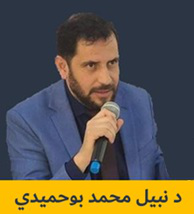
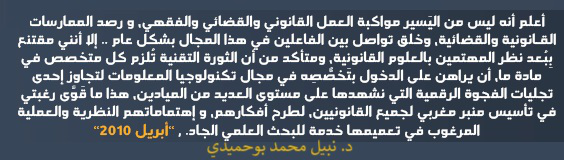
الدكتوراه في قانون العقود والعقار ـ إشراف الدكتور إدريس الفاخوري


 نص البلاغ التضامني للجنة الدولية للحقوقيين والذي دعا المغرب إلى إنهاء الإجراءات التأديبية ضد القاضيين محمد الهيني وأمال حماني


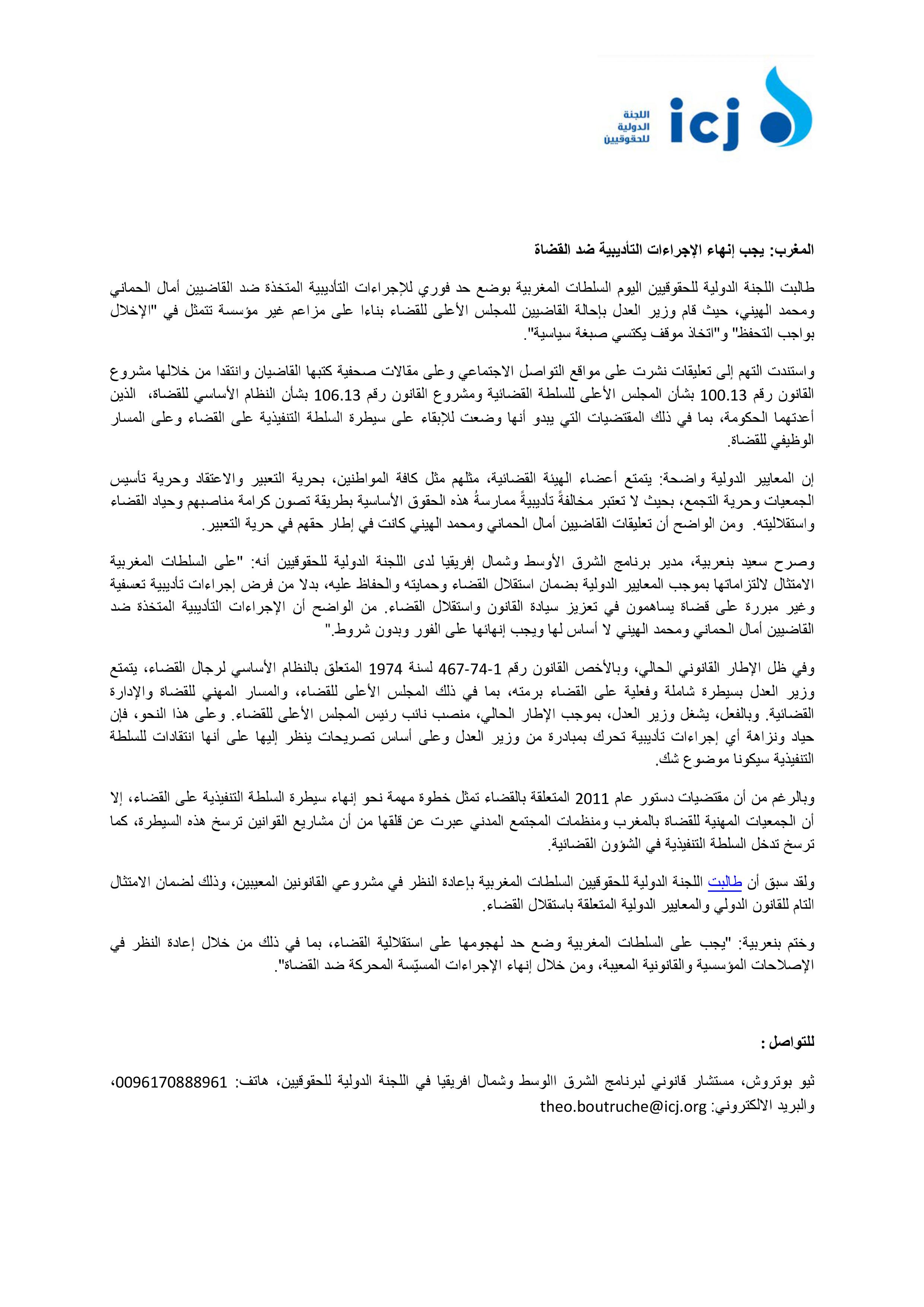
Morocco: end disciplinary proceedings against judges
The ICJ today called on the Moroccan authorities to put an immediate end to the disciplinary proceedings initiated against judges Amal Homani and Mohamed Al-Haini.
The two were referred to the High Judicial Council by the Minister of Justice on unfounded allegations of “violating the duty of discretion” and “expressing opinions of a political nature”.
The charges stem from social media comments and media articles written by the judges in which they criticized the government’s Draft Law No. 100.13 on the Conseil Supérieur du Pouvoir Judiciaire and the Draft Law No 106.13 on the Statute for Judges, including provisions that appear designed to maintain executive branch control of the judiciary and the career of judges.
“Instead of subjecting judges who are promoting the rule of law and judicial independence to unjustified and arbitrary disciplinary proceedings, the Moroccan authorities must comply with their obligations under international standards to guarantee, protect and preserve judicial independence,” said Said Benarbia, Director of the ICJ Middle East and North Africa Programme.
“The disciplinary proceedings against judges Amal Homani and Mohamed Al-Haini are clearly without foundation and must be immediately and unconditionally terminated,” he added.
International standards are clear: members of the judiciary are, like other citizens, entitled to freedom of expression, belief, association and assembly.
The exercise of these basic human rights in a manner that preserves the dignity of their office and the impartiality and independence of the judiciary should not constitute a disciplinary offence, the ICJ says.
The social media comments and media articles by judges Amal Homani and Mohamed Al-Haini were clearly within the scope of their rights to freedom of expression, the Geneva-based organization adds.
Under the current legal framework, in particular Law No.1-74-467 of 1974 on the Statute for Judges, the Ministry of Justice has comprehensive and effective control over the entire judiciary, including the High Judicial Council, the career of judges and judicial administration.
Indeed, under the current framework, the Minister of Justice is the Vice-President of the High Judicial Council.
As such the impartiality and fairness of any disciplinary hearings initiated by the Minister of Justice based on statements perceived to criticize the executive branch, must be called into question, the ICJ says.
While provisions of the 2011 Constitution relating to the judiciary constitute an important step towards ending the executive’s control over the judiciary, Moroccan professional associations of judges and civil society organizations have expressed concern that the draft laws perpetuate such control as well as executive interference in judicial matters.
The ICJ has previously called on the Moroccan authorities to revise the two flawed draft laws to ensure their full compliance with international law and standards on judicial independence.
“The Moroccan authorities must end their attacks on judicial independence, including by revising flawed institutional and legal reforms and by ending politicized proceedings against judges,” Benarbia said.
The ICJ today called on the Moroccan authorities to put an immediate end to the disciplinary proceedings initiated against judges Amal Homani and Mohamed Al-Haini.
The two were referred to the High Judicial Council by the Minister of Justice on unfounded allegations of “violating the duty of discretion” and “expressing opinions of a political nature”.
The charges stem from social media comments and media articles written by the judges in which they criticized the government’s Draft Law No. 100.13 on the Conseil Supérieur du Pouvoir Judiciaire and the Draft Law No 106.13 on the Statute for Judges, including provisions that appear designed to maintain executive branch control of the judiciary and the career of judges.
“Instead of subjecting judges who are promoting the rule of law and judicial independence to unjustified and arbitrary disciplinary proceedings, the Moroccan authorities must comply with their obligations under international standards to guarantee, protect and preserve judicial independence,” said Said Benarbia, Director of the ICJ Middle East and North Africa Programme.
“The disciplinary proceedings against judges Amal Homani and Mohamed Al-Haini are clearly without foundation and must be immediately and unconditionally terminated,” he added.
International standards are clear: members of the judiciary are, like other citizens, entitled to freedom of expression, belief, association and assembly.
The exercise of these basic human rights in a manner that preserves the dignity of their office and the impartiality and independence of the judiciary should not constitute a disciplinary offence, the ICJ says.
The social media comments and media articles by judges Amal Homani and Mohamed Al-Haini were clearly within the scope of their rights to freedom of expression, the Geneva-based organization adds.
Under the current legal framework, in particular Law No.1-74-467 of 1974 on the Statute for Judges, the Ministry of Justice has comprehensive and effective control over the entire judiciary, including the High Judicial Council, the career of judges and judicial administration.
Indeed, under the current framework, the Minister of Justice is the Vice-President of the High Judicial Council.
As such the impartiality and fairness of any disciplinary hearings initiated by the Minister of Justice based on statements perceived to criticize the executive branch, must be called into question, the ICJ says.
While provisions of the 2011 Constitution relating to the judiciary constitute an important step towards ending the executive’s control over the judiciary, Moroccan professional associations of judges and civil society organizations have expressed concern that the draft laws perpetuate such control as well as executive interference in judicial matters.
The ICJ has previously called on the Moroccan authorities to revise the two flawed draft laws to ensure their full compliance with international law and standards on judicial independence.
“The Moroccan authorities must end their attacks on judicial independence, including by revising flawed institutional and legal reforms and by ending politicized proceedings against judges,” Benarbia said.